Gamesa strengthens its position in India with a new order for the supply of 250 MW to Orange

Gamesa has bolstered its position in India having received a new order 1 for the supply of 250 MW to Orange, one of India’s leading independent power producers (IPP).

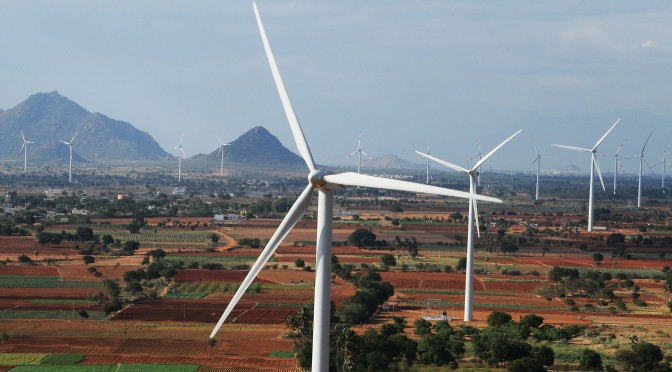
The company will install 125 of its G97-2.0 MW Class S wind turbines at three wind farms. With a tower height of 104 metres, the company has tailor-designed this variant – certified by TÜV NORD – for the Indian market with a view to maximising turbine performance at low wind speed sites.

Specifically, the agreement entered into with Orange includes the turnkey construction of a 100 MW wind farm in the town of Ananthapur, in the state of Andhra Pradesh; this facility is scheduled for commissioning in March 2016.

In addition, the company will supply, install and commission 25 G97-2.0 MW Class S turbines at the Ratlam wind farm (50 MW) and another 50 at the Agar (100 MW) wind farm, both of which located in the state of Madhya Pradesh. These facilities are slated for commissioning in the first and third quarters of 2016, respectively. The agreement also encompasses the provision of the related operation and maintenance services over the medium and long term.

Gamesa in India

In recent years, India has emerged as one of the most promising wind power markets: installed capacity is expected to increase from close to 23,000 MW today to 40,000 MW by the end of 2019, driven by huge pent-up demand for electricity, according to sector consultancy BTM’s estimates. In addition, the Indian government has set the target of lifting installed capacity to 60,000 MW by 2022.

The new orders secured by Gamesa in India – with some 500 MW locked in year-to-date – reinforce its solid commercial positioning: according to BTM, the company ended 2014 as the leading OEM in the country for the second year running, with a market share of 32% in 2014, compared to 21% in 2013.

Gamesa’s presence in India – as technology provider and wind farm developer – dates back to 2009. To date, it has installed close to 1,900 MW and services over 1,850 MW under O&M agreements. In addition, in its capacity as wind farm developer, it has developed over 1,300 MW.

Source: http://www.gamesacorp.com/en/communication/news/gamesa-strengthens-its-position-in-india-with-a-new-order-for-the-supply-of-250-mw-to-orange.html?idCategoria=0&fechaDesde=&especifica=0&texto=india&idSeccion=0&fechaHasta=
Hyundai Motor India Ltd launches SUV Creta in Delhi

Hyundai entered the subcompact crossover segment on October 10, 2014, when they released the Hyundai IX25 to the Chinese market. As per Zigwheels.com, the company is also working on a smaller SUV.

Besides these two vehicles, Hyundai has plans to bring in the new Sonata, new-generationHyundai Elantra besides facelifted models of its existing models.

Compact SUV sales in India are likely to more than quadruple to 970,000 vehicles in the decade to 2020, according to consultant IHS Automotive, which expects 550,000 such vehicles to be sold in the country in 2015.

Now all we have to do is try it!

While its price point is bound to sway its fate in this market, it’s going to be the driving capabilities and performance of the Creta that’ll add to its draw.

“Our stagnation has been about our inability to capitalize on the truck (and SUV) side”, Hyundai Motor America CEO Dave Zuchowski said at a media event Thursday. This trend has eased the capacity constraints that were holding back sales of some Hyundai cars a couple of years ago.

Meanwhile, Hyundai has released the all-new Tucson compact crossover on the first press day of the Geneva Motor Show, Worldcarfans.com unveiled. It offers improved mileage, segment-leading passenger roominess, sleek new styling and requisite technological advancements including a 5-inch touchscreen display with rear-view camera inside, and LED headlights outside.

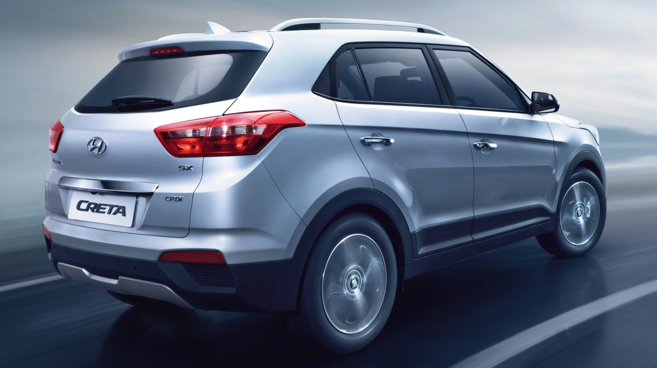
In order to cash in on the festive rush, Hyundai brought forward the launch of its maiden SUV, which will be available in both petrol and diesel variants.

Source: http://www.pressexaminer.com/hyundai-motor-india-ltd-launches-suv-creta-in-delhi/10103

Abdul Kalam, father of India’s missile programme, dies at 83

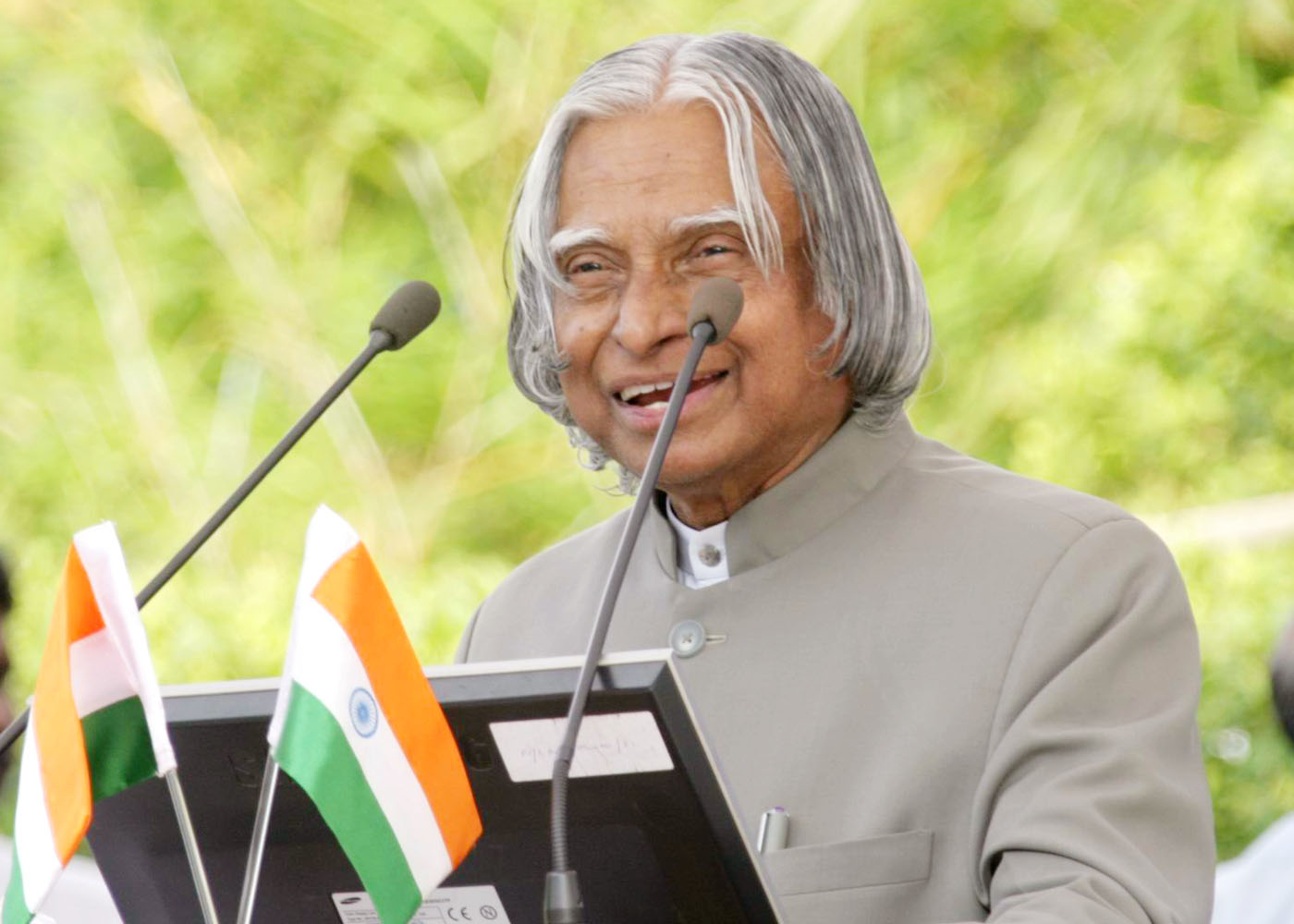
Former Indian president A.P.J. Abdul Kalam, considered the father of the country’s missile programme, died on Monday in hospital at the age of 83, a doctor said.

Popularly known as «Missile Man,» Kalam led the scientific team that developed missiles able to carry India’s nuclear warheads. He became a national folk hero after helping oversee nuclear tests in 1998 that solidified India’s status as a nuclear weapons state. India’s first atomic test was in 1974.

Kalam died from cardiac arrest in Bethany Hospital in the northeastern city of Shillong, capital of Meghalaya state, according to hospital chief executive officer John L. Sailo.

Kalam, who was India’s 11th president from 2002 to 2007, had collapsed earlier in the day while delivering a lecture, according to Indian media reports.

Kalam, who wrote a book called «Ignited Minds,» became best known as a tireless campaigner for unleashing India’s technological muscle and discouraging expensive imports from the West.

Born on Oct. 15, 1931 in the southern state of Tamil Nadu, Kalam graduated from the prestigious Madras Institute of Technology in aeronautical engineering.

Finance Minister Arun Jaitley expressed his condolences on Twitter: «We have lost an ideal citizen. May his soul rest in peace.»


Source: http://in.reuters.com/article/2015/07/27/india-kalam-death-idINKCN0Q11TR20150727

Tubacex acquires majority of Prakash Steelage’s tube division

Prakash Steelage today said the Spanish stainless steel maker Tubacex completed acquisition of a majority 67.5 per cent stake in its seamless stainless steel tube division for over Rs 209 crore.

In a BSE filing, the Mumbai-based firm said after signing the Joint Venture Agreement (JVA) on February 13, 2015, the firm transferred its seamless stainless steel tubes and pipes business to the Tubacex Prakash India Pvt Ltd (JV company) in accordance with provisions of the Business Transfer Agreement on July 25, 2015 entered into between the firm and JV company.

The JVA was signed between Prakash Steelage and Tubacex S.A. Spain, it added.

«Pursuant to the transfer of business as per the JVA, the company has received a consideration of Rs 209.16 crore, a major part of which is being utilised to repay the bank debts,» it said.

The JV firm has issued equity shares to Tubacex S.A and the company.

«Post closing of the JVA. The company now holds 32.47 per cent of the equity shares and the balance shareholding of 67.53 per cent is held by Tubacex S.A. Consequently, the JV company is no longer a subsidiary of the company,» Prakash Steelage said in the filing.

Prakash Steelage will continue to own and operate all its other businesses, including manufacturing of stainless steel welded tubes and pipes and trading business, it added.

Shares of Prakash Steelage today closed flat at Rs 120.10 per share at the BSE.

Source: http://www.business-standard.com/article/pti-stories/tubacex-acquires-majority-of-prakash-steelage-s-tube-division-115072701386_1.html

Mexichem will open new plants in the United States and India.

Mexichem said on Tuesday its Dura-Line Corporation unit opened a new manufacturing plant in Hyderabad, India, that will produce cable ducts and pressure pipes for the water, gas and telecommunications industries.

“The new plant is Mexichem’s fourth plant in India, with two other facilities located in Goa, and another in Neemrana, near Dehli,” the company said in a statement.

The new industrial complex will allow “Mexichem to strategically position itself for exports to Southeast Asia, to serve customers in South India and to capture new business opportunities in the region,” the company said.

The plant “is part of the company’s continued strategy of becoming a global, vertically integrated chemical company with a focus on high-end specialized products and solutions,” Mexichem said.

Mexichem is a leading producer of chemical and petrochemical products, operating more than 120 plants in over 30 countries and generating annual revenues of $5 billion.

Source: http://www.laht.com/article.asp?CategoryId=14091&ArticleId=2387267